

Brassicaceae: The Green Power of the Italian Winter
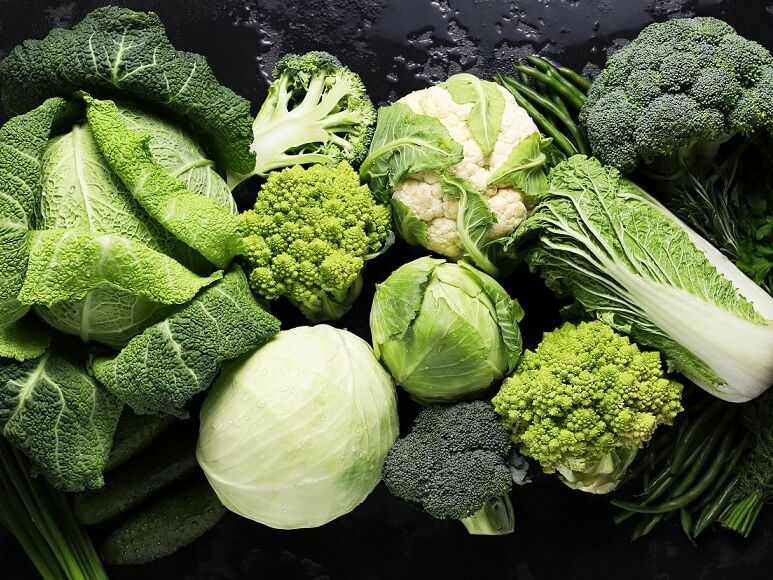
The Italian are among the finest examples of Italian winter horticulture.
These vegetables embody centuries of farming traditions and possess extraordinary nutritional properties.
From the Po Valley plains to the fields of Tuscany, from the hills of Puglia to the vegetable gardens of Campania, these vegetables are the perfect blend of cold resistance, nutritional quality, and culinary versatility.
Italy’s Extraordinary Biodiversity: A Heritage Worth Rediscovering
Italy boasts an extraordinary variety of brassicas, a horticultural heritage rooted in millennia of cultivation and selective breeding.
Our country is home to dozens of varieties—including native, traditional, and modern ones—many of which are still grown in various Italian regions during the winter months.
From the ancient varieties of Tuscan black cabbage recovered from historic fields to modern broccoli varieties selected for the specific conditions of each region, including countless local ecotypes of cauliflower, savoy cabbage, and turnip greens that have adapted to the microclimates of each region.
Varieties of Italian Brassicaceae
Italy boasts an extraordinary variety of brassicas found throughout the country. Let’s explore some of the most common and beloved varieties together.
The Tuscan black cabbage, with its elongated, blistered leaves of a very dark, almost bluish green, is a symbol of Tuscan cuisine.
Frost-resistant, its flavor actually improves after the first frosts, becoming sweeter and more tender.
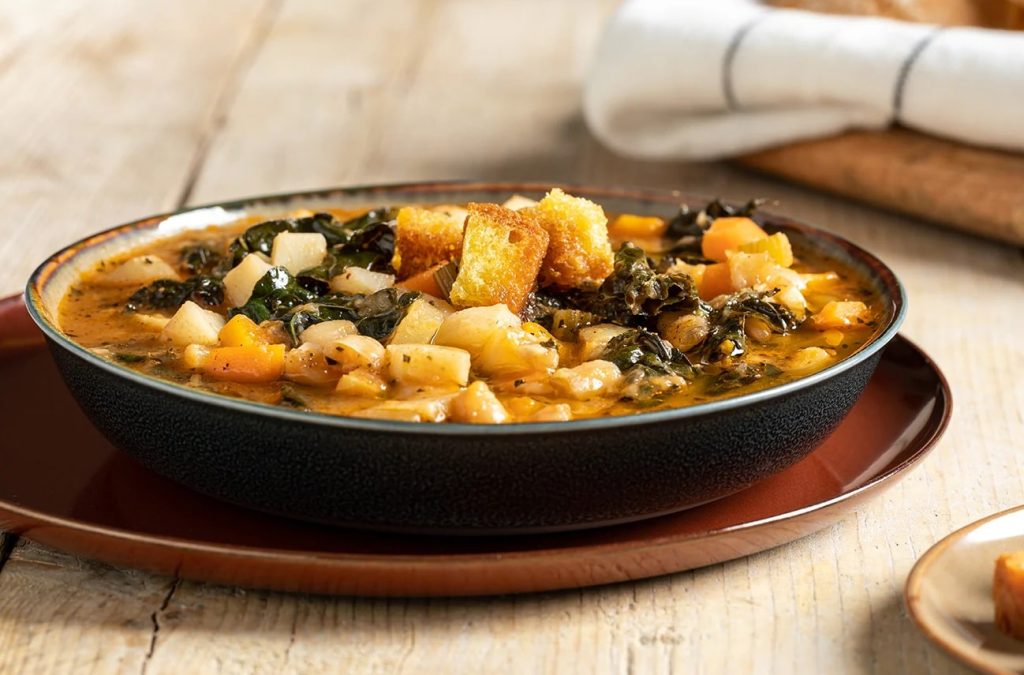
Its hearty texture makes it perfect for soups, ribollita, and dishes that require long cooking times.
The Romanesco broccoli, with its extraordinary fractal geometry and bright lime-green color, is a work of art created by nature.
Grown primarily in Lazio, it has a delicate, slightly nutty flavor and a crisp texture that remains even after cooking.
The Apulian turnip greens, the undisputed stars of Southern Italian cuisine, offer tender leaves and flower buds with a distinctive, slightly bitter flavor.
Harvested while the buds are still closed, they best express their intense flavor in dishes prepared with olive oil, garlic, and chili peppers.
The cauliflower, which comes in numerous varieties ranging from pure white to deep purple, orange to green, thrives in suitable soils throughout Italy.
Each color indicates the presence of different phytonutrients: purple is rich in anthocyanins, white in sulforaphane, and green in chlorophyll and beta-carotene.
The savoy cabbage, with its wrinkled leaves and pronounced veins, withstands intense cold and is a staple of northern winter cuisine.
Its sweet flavor and tender texture after cooking make it versatile in stuffed rolls, braised dishes, and soups.
The altitude, the cold winter temperatures, and the soil and climate conditions of each region give these brassicas unique organoleptic characteristics, making each variety an authentic expression of its place of origin.
Nutritional Superheroes Against the Cold
Brassicas are much more than just vegetables: they are true allies for good health, especially during the winter months.
Packed with vitamin C, vitamin K, folic acid, and minerals such as calcium and potassium, they boost our immune system right when we need it most.
Their glucosinolate content—sulfur-containing compounds with a characteristic pungent aroma—is converted during chewing into substances with powerful antioxidant and protective properties.
Scientific studies have highlighted the role of cruciferous vegetables in cellular protection and the reduction of inflammation.
Their high fiber content promotes regular bowel movements and a healthy microbiome, while their low calorie content combined with their high satiety makes them perfect for maintaining a healthy weight.
Black kale, in particular, is considered a superfood due to its exceptional concentration of nutrients relative to its calorie content.
Antioxidants, which are present in varying amounts depending on the color (purple cabbage is particularly rich in anthocyanins), protect the skin from the cold and the elements, keeping it supple and radiant.
Healthy Recipe: Black Kale and Cannellini Bean Soup
Ingredients (serves 4):
– 300g of fresh black kale
– 200g of dried cannellini beans (or 400g of cooked beans)
– 1 medium onion
– 2 carrots
– 2 stalks of celery
– 3 cloves of garlic
– 4 tablespoons of extra virgin olive oil
– 1 sprig of rosemary
– 1 liter of vegetable broth
– Salt and pepper to taste
– Stale Tuscan bread
Preparation:
1. If you’re using dried beans, soak them the night before
2. Boil the beans in unsalted water for about 1 hour
3. Clean the black cabbage by removing the central ribs and cutting the leaves into strips
4. Sauté the finely chopped onion, carrots, and celery
5. Add the garlic and rosemary, then the kale
6. Pour in the hot broth, add the beans, and cook for 20 minutes
7. Blend half of the soup until it has a creamy consistency
8. Serve with slices of toasted Tuscan bread
Bringing brassicas to the table during these winter days means embracing the strength and resilience of nature, savoring the authenticity of our regions, and celebrating a heritage of vegetable biodiversity that makes Italy unique in the world.