

Bergamot: Calabria’s “green gold”
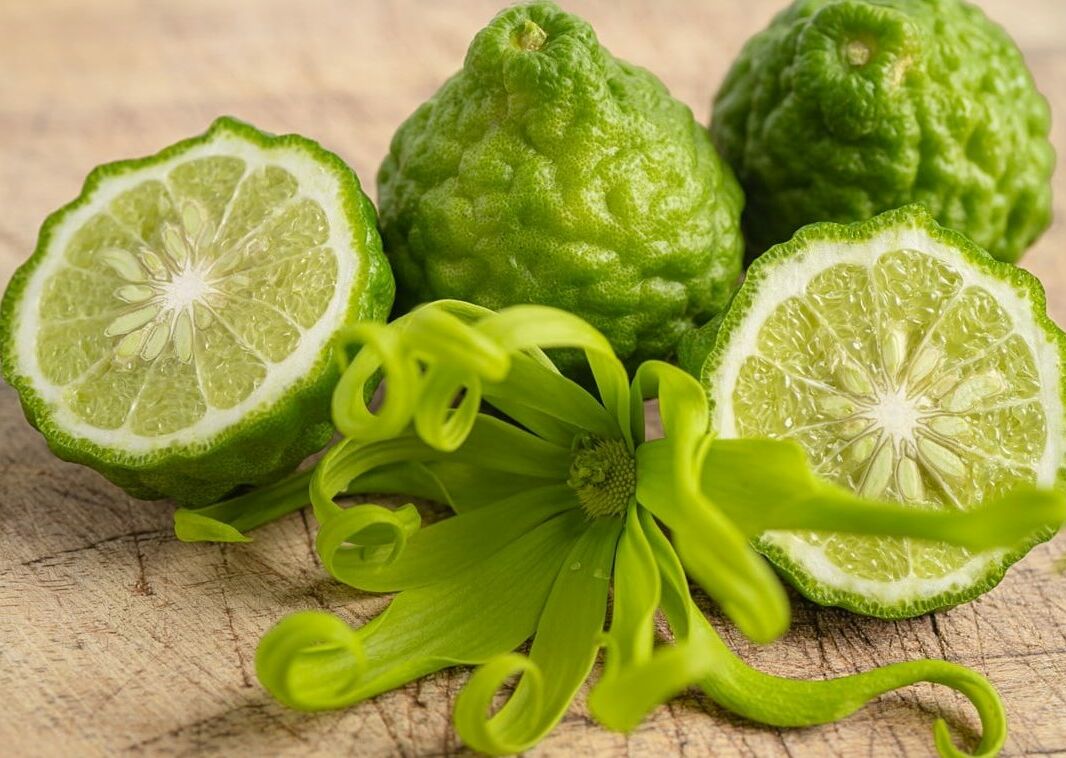
The bergamot is one of the most precious and unique treasures of Italian agriculture, an extraordinary citrus fruit that grows exclusively along a narrow coastal strip in Calabria.
This fruit, with its unmistakable aroma and exceptional properties, embodies centuries of tradition and possesses characteristics that make it unique in the world.
From its intense fragrance to its applications ranging from perfumery to medicine, bergamot is the perfect synthesis of regional exclusivity and absolute quality.
An Exclusive Treasure of Calabria
Bergamot grows in a very limited geographical area: a narrow coastal strip about 120 kilometers long along the Ionian coast of Calabria, between Villa San Giovanni and Gioiosa Ionica.
This region, known as “the bergamot belt, ” isthe only place in the world where this citrus fruit is able to fully develop its unique organoleptic and aromatic characteristics.
The unique climatic conditions of this area—with the Ionian Sea moderating temperatures, theAspromonte hills shielding the region from cold winds, and a microclimate characterized by high humidity and specific soil conditions—create the perfect and unparalleled habitat for growing bergamot.
Attempts to grow bergamot in other parts of the world, from the Ivory Coast to Brazil, have produced similar fruits but lacking the aromatic qualities of Calabrian bergamot, confirming the absolute uniqueness of this region.
The Consortium for the Protection of Reggio Calabria Bergamot works to preserve and promote this unique heritage. Since 2001, bergamot has held PDO status, which certifies its geographical origin and guarantees high quality standards.
Varieties of Bergamot
There are several cultivars of bergamot, each with its own specific characteristics.
The ” Femminello,” the most widespread and highly regarded variety, is distinguished by its high essential oil yield and accounts for about 90% of total production.
It produces medium-sized fruits with smooth, thin skin that is particularly rich in oil glands.
The Castagnaro variety produces larger nuts with a thicker, wrinkled shell and a slightly flattened shape. Although this variety has a slightly lower yield, it is prized for the hardiness of the plant and its resistance to disease.
“Il Fantastico,” the most recent variety, is characterized by large fruit and high yields. The peel, which turns a deep yellow when ripe, contains a high-quality essence that is particularly prized by the perfume industry.
All varieties are harvested between November and February, when the skin turns its characteristic yellow-green color and the essential oil contained in the oil glands reaches its highest concentration.
Health Benefits and Therapeutic Uses
Bergamot has extraordinary beneficial properties that go far beyond cosmetic use.
It is rich in flavonoids, compounds that have been shown to have significant effects on lipid metabolism.
Scientific studies have shown that bergamot can lower LDL cholesterol (bad cholesterol) and triglycerides, while simultaneously raising HDL cholesterol (good cholesterol).
The bergamot juice, rich in vitamin C and antioxidants, supports the immune system and combats free radicals.
The essential oil’s antibacterial and anti-inflammatory properties make it useful in aromatherapy for relieving stress and anxiety, while topical application (always diluted) can help treat skin problems.
From Perfume to the Table: The Uses of Bergamot
In addition to its use in perfumery, bergamot is playing an increasingly important role in haute cuisine.
Grated zest adds flavor to desserts, creams, ice cream, and chocolate, imparting sophisticated citrus notes.
The juice is used to make jams, liqueurs such as the famous Bergamino, and syrups for signature cocktails.
Michelin-starred chefs use bergamot to marinate raw fish, flavor risottos, enhance sauces for white meats, and create innovative desserts.
Food-grade essential oil (as opposed to that used in perfumery) is used to flavor Earl Grey tea, one of the world’s most famous tea blends, born from the fusion of British tradition and Calabrian excellence.
In traditional Calabrian pastry-making, bergamot is a key ingredient in nougat, cookies, and jams, while modern mixology has rediscovered it as a sophisticated ingredient for premium cocktails.
Healthy Recipe: Rice (or Quinoa) Salad with Salmon and Bergamot
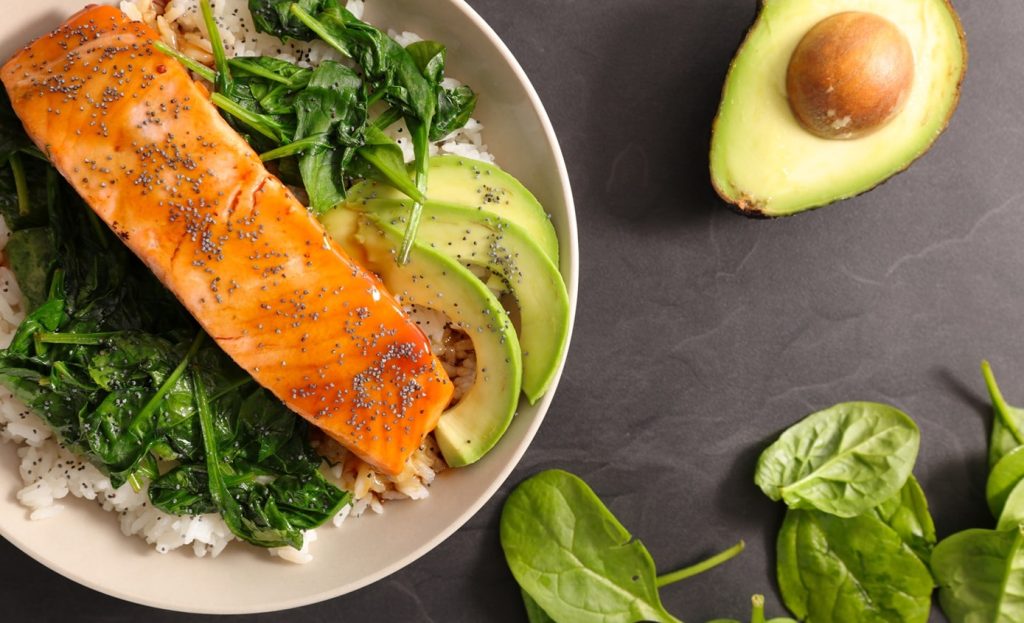
Ingredients (serves 4):
– 200g of rice or quinoa
– 400g fresh salmon fillet
– 1 bergamot (juice and grated zest)
– 2 oranges
– 1 ripe avocado
– 100g fresh baby spinach
– 1 tablespoon sesame seeds
– Extra virgin olive oil
– Salt and pepper to taste
Preparation:
1. Cook the rice (or quinoa) and let it cool
2. Cut the salmon into cubes and marinate it for 15 minutes with the juice of half a bergamot, a drizzle of oil, salt, and pepper. In a nonstick skillet, quickly sear the salmon
3. Prepare the vinaigrette by emulsifying the remaining bergamot juice with three tablespoons of extra virgin olive oil, the grated zest, salt, and pepper
4. Peel the oranges, removing all the white pith, and cut them into segments; slice the avocado
5. Assemble the salad by arranging the rice (or quinoa), salmon, orange segments, and avocado on a bed of baby spinach
6. Dress with the bergamot vinaigrette and top with toasted sesame seeds
Bergamot is a unique example of how a specific region can give rise to a one-of-a-kind product.
Its cultivation supports the economies of dozens of Calabrian municipalities, preserves the traditional agricultural landscape, and keeps alive the knowledge and techniques passed down through generations.