

The Flavors of the World Cup: A Journey Through the Products of the 32 National Teams
The World Cup isn’t just a sporting competition—it’s also an opportunity to discover the world through its cuisine.
Every qualifying nation brings with it not only a team, but also a culinary identity made up of local products, agricultural traditions, and dishes that tell the story of its history and territory.
We’ve taken a look at all 32 national teams that have advanced to the final round of the 2026 World Cup, country by country, in alphabetical order, to discover the product that best represents each one.
Algeria — The Fig Tree
Extremely sweet and ancient, the fig grows wild throughout North Africa. In Algeria, it has roots that run deep into centuries of agricultural history: eaten fresh in the summer or dried for the winter, it speaks to the patience of the Algerian land and its connection to the seasons.
Argentina — The Black Bean
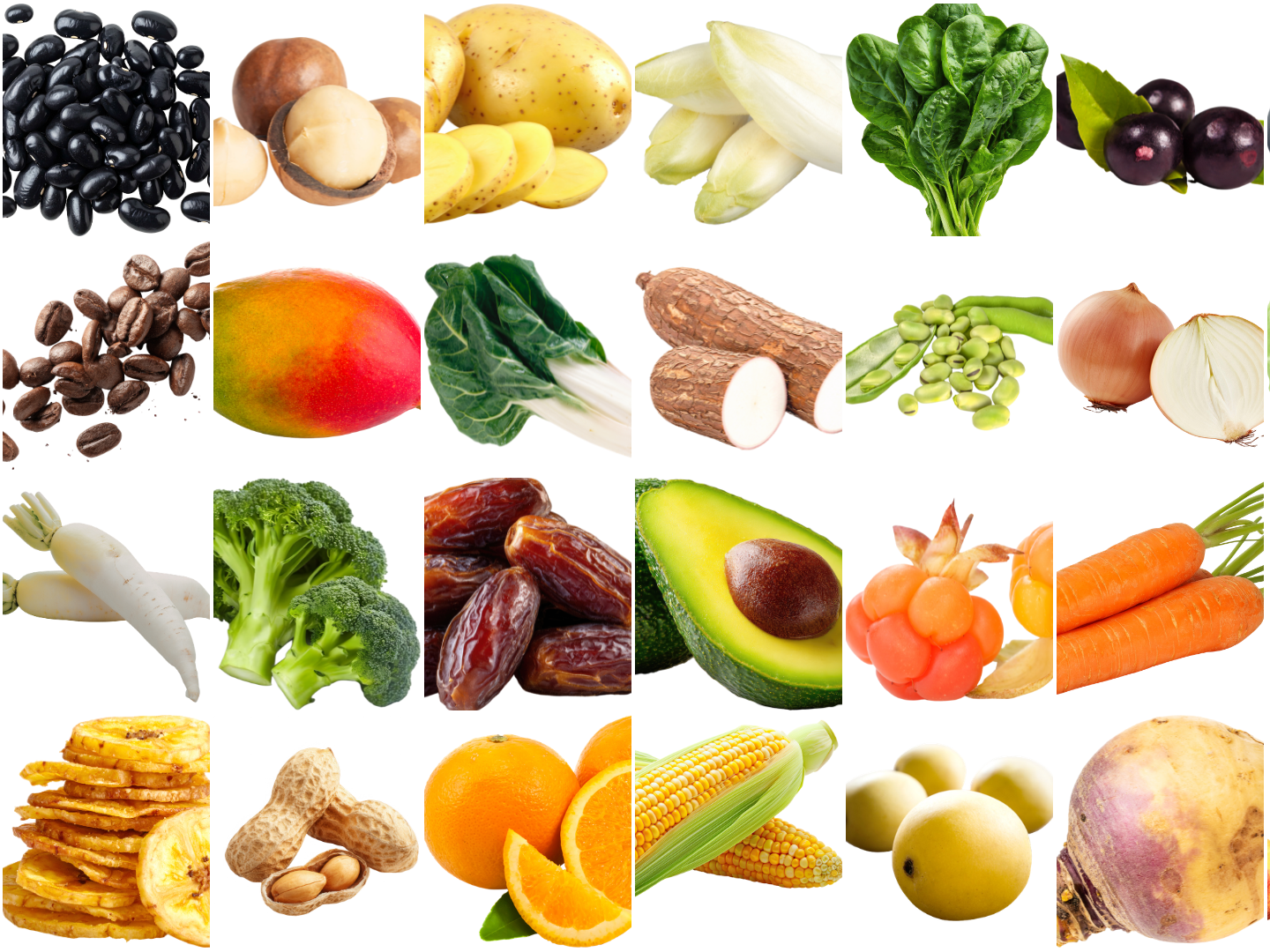
A staple ingredient in many South American dishes, in Argentina the black bean are the star of hearty stews and side dishes that accompany grilled meat for hours on end. A humble food that has become a symbol of a cuisine that is abundant even in its simplicity.
Australia — The Macadamia Nut
Native to the rainforests of Queensland, the macadamia is one of the few nuts native to Australia. Creamy and slightly sweet, it is now one of the country’s culinary symbols, a key ingredient in desserts, snacks, and fine chocolates.
Austria — The Potato
In Austria, the potato is a true institution, enjoyed in countless forms: from rösti, the golden pan-fried potato cake, to Viennese potato salad, prepared with hot broth and vinegar instead of mayonnaise.
Belgium — Belgian endive
Crisp and slightly bitter, theBelgian endive (or Brussels chicory) was created almost by accident in the mid-19th century, when a farmer discovered that sprouting chicory roots in the dark produced this white, delicate sprout.
Bosnia and Herzegovina — Spinach
Small but essential: spinach is the main filling of Bosnian pita (zeljanica), the stuffed pastry that has been a staple of breakfasts and lunches for generations, made with wafer-thin layers of phyllo dough, onion, and cheese.
Brazil — Açaí
The purple fruit of the Amazon, which grows on palm trees in the tropical forests of Pará, is one of the world’s most powerful sources of antioxidants. Brazilians have always eaten it as a source of energy before any physical exertion.
Canada — The Blueberry
Small, blue, and incredibly powerful: the Canadian , grown in the forests of New Brunswick and Quebec, is one of the fruits with the highest antioxidant content in the world.
Cape Verde — The Papaya
Sweet, juicy, and with deep orange flesh, the papaya thrives in the archipelago’s hot and humid climate. Whether eaten fresh or used in jams, it embodies the tropical identity of these islands in the Atlantic.
Colombia — Coffee
Colombia’s mountains, with their cool climate and ideal altitude, have made the country one of the world’s leading producers of Arabica coffee. Hand-cultivated on the slopes of the Andes, it has become an industry, a culture, and a source of national pride.
Ivory Coast — The Mango
Juicy, fragrant, and very sweet, the mango is the iconic fruit of West Africa. The Ivory Coast is one of the continent’s leading producers, where it thrives thanks to the tropical climate and red soil.
Croatia — Swiss chard
Known locally as blitva, the Swiss chard is a staple of Dalmatian cuisine, often served boiled and dressed with olive oil and garlic as a side dish for fish and salt cod.
Ecuador — Cassava
Also known as cassava, yuca is an ancient root vegetable that was cultivated in Ecuador by indigenous peoples long before the arrival of Europeans. It can be fried, boiled, or ground into flour: a staple food that takes on a thousand different forms.
Egypt — The Fava Bean
The fava beans are the beating heart of Egyptian cuisine, a key ingredient in ful medames, the country’s national dish: slowly cooked, mashed, and seasoned with olive oil, lemon, garlic, and cumin.
France — The Onion
Sweet, caramelized, irresistible: the onion is the heart and soul of French cuisine, the star of soupe à l’oignon, the onion soup au gratin that has been warming Parisians on winter nights for centuries.
Germany — Sauerkraut
Fermented cabbage, simple and traditional: sauerkraut is much more than just a side dish. Originally developed as a centuries-old preservation method, it is now recognized as one of the best fermented foods for gut health.
Ghana — Cocoa
Ghana is one of the world’s leading producers of cocoa, which has been grown on tropical plantations in the southern part of the country since colonial times. Its beans are used in some of the world’s finest chocolates.
Japan — Daikon
White and crunchy: the giant Japanese radish has been a quiet star of Japanese cuisine for centuries. Light yet rich in digestive enzymes, the daikon is eaten raw, cooked, pickled, or fermented.
England — Broccoli
Voted the “King of British Vegetables” in a national poll, the broccoli is an indispensable part of the Sunday roast, the Sunday lunch that brings English families together around roast meat and potatoes.
Morocco — The Medjool Date
The King of dates: large, fleshy, with a natural sweetness reminiscent of caramel. It grows in the oases of southern Morocco, where for centuries it was reserved for sultans and guests of honor.
Mexico — The Avocado
Creamy and beloved around the world, Mexico isn’t just the home of theavocado—it’s also the world’s leading producer. This is where guacamole, the signature sauce of Mexican cuisine, originated.
Norway — The Cloudberry
Small and precious like a piece of amber, the cloudberry grows wild in the peat bogs of Northern Europe. In Norway, it is considered a national treasure: sweet, slightly tart, and extremely rich in vitamin C.
Netherlands — The Carrot
For centuries, there were only carrots —purple, white, and yellow—until, in the 17th century, Dutch farmers bred the orange variety in honor of the House of Orange, which is now the global standard.
Paraguay — The Pineapple
Few people know this, but Paraguay is one of the places of origin of thepineapple: the plant grew wild in these lands even before the rest of the world knew of it.
Portugal — Garlic
Biting and unmissable, thegarlic is a staple of much of Portuguese cuisine, from marinades for the famous bacalhau to sauces served with grilled meat and fish.
DR Congo — The Plane Tree
Not just a cousin of the banana: the plantain is a staple of Congolese cuisine, almost always eaten fried—crispy on the outside and soft on the inside—and a vital source of energy in the daily diet.
Senegal — Peanuts
Senegal is one of the world’s leading producers of peanuts, which have been cultivated since colonial times. Roasted, ground into a paste, or made into sauces—they are found everywhere on the Senegalese table, such as in the famous maafe.
Spain — The Orange
Sweet, juicy, a symbol of the Mediterranean: theorange is one of Spain’s most iconic products, particularly in the Valencia region, where orange groves color the landscape as far as the eye can see.
United States of America — Corn
The United States is the world’s leading producer of corn, which is grown in the Corn Belt that stretches through states such as Iowa and Nebraska. From the classic grilled corn on the cob to popcorn, it has become a staple of the American imagination like few other foods.
South Africa — The Marula
This wild savanna fruit, which falls from the tree and is picked directly from the ground, is so rich in vitamin C that it contains eight times as much as citrus fruits. It is also the secret ingredient in Amarula, Africa’s most famous liqueur.
Sweden — The rutabaga
A winter root vegetable with a delicate flavor, somewhere between cabbage and turnip, the rutabaga is a staple of traditional Swedish cuisine; it has been cultivated since the 17th century and remains a comfort food during the coldest months of the year.
Switzerland — The Apple
Switzerland has a special relationship with apples, which are grown on hills and in valleys throughout the country. Among the most popular varieties is the Gala, which is sweet and crisp and can be found in Swiss orchards year-round.
Thirty-two countries, thirty-two different stories, but a single common thread: the deep connection that each culture forges with its land and its bounty. While the ball decides who will lift the trophy, these products continue to tell the story of a people’s identity, day after day.