

Watermelon: How to Make the Most of It in the Kitchen and in Summer Dining
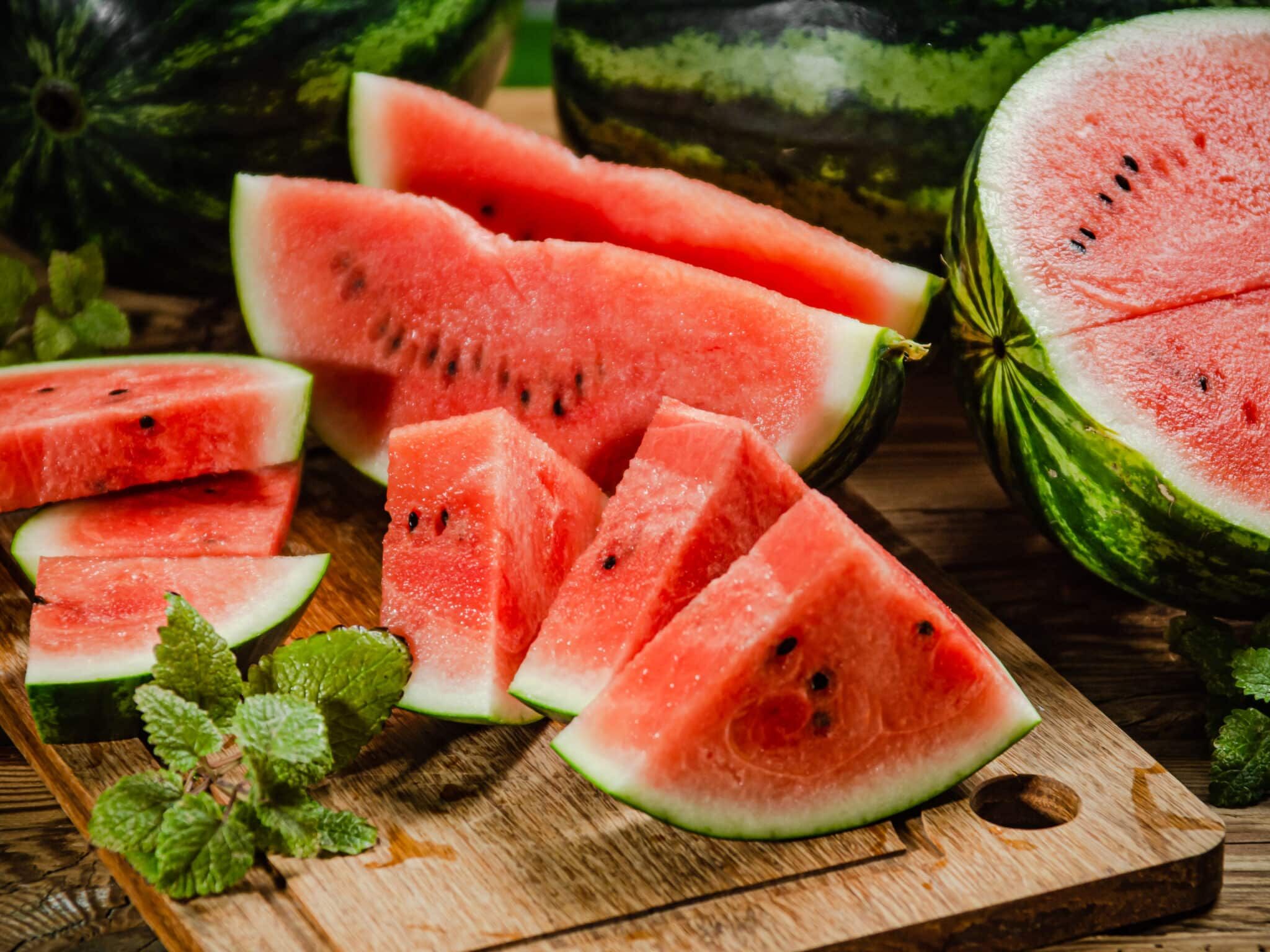
The watermelon is one of the iconic foods of summer and, for this reason, deserves a place in the professional foodservice industry as well.
Fresh, visually appealing, and versatile, it lends itself to numerous uses in the kitchen and can become a key ingredient for summer menus, buffets, desserts, and beverage offerings.
For those who work in the restaurant industry, watermelon isn’t just a fruit to serve at the end of a meal.
It is an ingredient that combines seasonality, ease of preparation, and strong visual appeal—three elements that are very important for those who want to offer a modern dining experience in keeping with the summer season.
Why Watermelon Is Perfect for Summer
During the warmer months, customers look for fresh, light, and quick-to-prepare dishes. Watermelon is the perfect choice to meet these needs thanks to its high water content, sweet taste, and strong association with summer.
One of the most common mistakes is to think of watermelon as just a fruit to be served in slices. In reality, in a professional kitchen, it can be used in many different ways, including in modern and creative dishes.
Here are some interesting uses:
-
Watermelon tartare, a fresh and light appetizer.
-
Granita or sorbet—perfect for starting or ending a summer menu.
-
Creative salads with cucumber, feta, basil, or mint.
-
Cocktails and mocktails—for a colorful summer beverage lineup.
-
A plated dessert featuring contrasts of acidity, crunch, and freshness.
These solutions make it possible to showcase watermelon in a simple yet effective way, adapting it to various serving contexts.

Watermelon on Summer Menus
Watermelon is a perfect fit for the summer menus of restaurants, hotels, and bars that want to offer light, seasonal dishes. It’s suitable for various parts of the meal service:
-
for breakfast, either as fresh cubes or extracts;
-
for lunch, in salads and cold dishes;
-
at dinner, as a pre-dessert or gourmet treat;
-
at buffets, to offer a fresh and ready-to-eat alternative.
This versatility makes it useful for those who need to create a menu that’s appropriate for the season and, at the same time, easy to manage in the kitchen.
“Summer Freshness” Mocktail Recipe

Ingredients (for 1 tall glass)
- 90–100 g of fresh watermelon flesh (about 1 medium slice)
- 15 ml lime juice (about ½ small lime)
- 6–8 fresh mint leaves
- 3–4 basil leaves (optional, for an extra touch of flavor)
- Ice cubes or crushed ice
- 80–100 ml of tonic water or soda (or very carbonated sparkling water)
- 1 teaspoon brown sugar or simple syrup (optional, if the watermelon isn’t very sweet)
- Lime or lemon zest for garnish
Procedure
- Cut the slice of watermelon, and remove the seeds and rind.
- Cut the fruit into cubes and place it in a cocktail glass or a tall glass.
- Add the mint and basil leaves to the glass.
- If you’d like, add the brown sugar.
- Using a pestle, gently crush the watermelon and herbs, just long enough to release their juices and aromas, without turning everything into a pulp.
- Pour in the lime juice
- Stir briefly to combine.
- Fill the glass with ice until it is about ¾ full.
- Top it off with tonic water or soda water, pouring it gently so as not to break up the natural foam too much. Stir gently with a long teaspoon or a bar spoon.
- Garnish with a thin slice of lime or lemon, a cube of watermelon, and a sprig of fresh mint.
In the restaurant industry, watermelon is much more than just a summer fruit: it’s a versatile, affordable, visually striking, and easily marketable ingredient.
It can be used in the kitchen, for beverages, at buffets, and for desserts, offering interesting solutions from both an operational and a commercial standpoint.
For those working in the produce industry and the professional foodservice sector, showcasing watermelon means making the most of one of summer’s most iconic products, transforming it into a tangible sales and marketing opportunity.