

Pomegranate: The Ancient Fruit That’s Taking Italian Tables by Storm
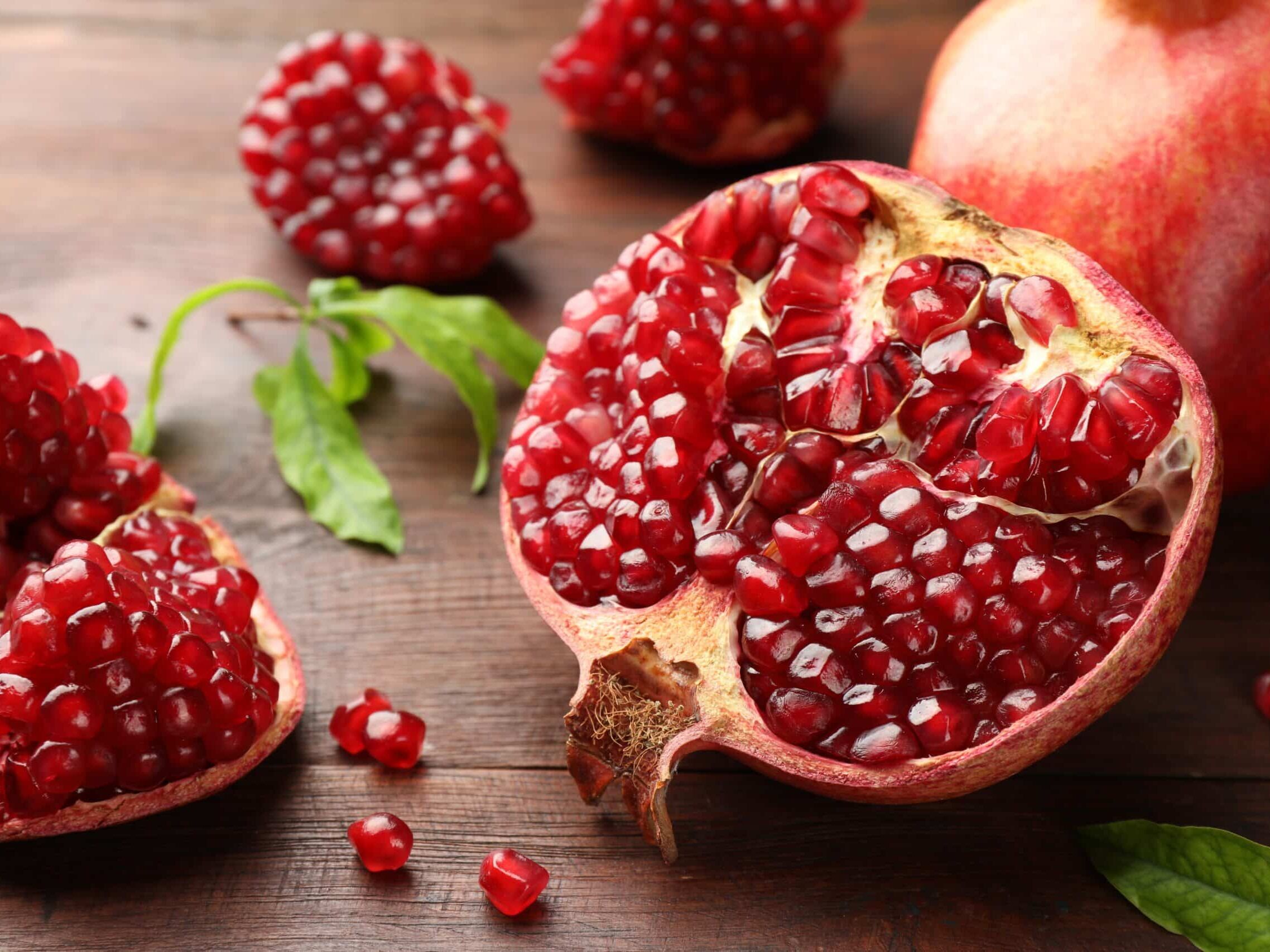
The pomegranate is one of the fruits most closely associated with Mediterranean tradition, with a history rooted in centuries of cultivation in Southern Italy.
It is a fruit that combines symbolic charm, intense flavor, and exceptional nutritional properties.
The Revival of an Ancient Fruit: Pomegranate Cultivation in Italy
In recent years, the area planted with pomegranates in Italy has grown significantly, driven by rising demand for fresh consumption and for processing into juices and extracts.
Sicily, Apulia, Calabria, Campania, and Lazio remain the regions with the longest history of pomegranate cultivation, thanks to a Mediterranean climate that is ideal for the fruit, but interest has also spread to Tuscany, Emilia-Romagna, Marche, and Veneto.
Alongside the traditional ecotypes, preserved by generations of fruit growers in the South, more modern varieties—selected for their yield and adaptability—have emerged over the years.
A powerhouse of antioxidants and wellness
The pomegranate is considered one of the healthiest fruits available, especially because it is exceptionally rich in antioxidants such as polyphenols, ellagic acid, and punicalagin—substances that counteract the effects of free radicals.
With a moderate calorie content—between 60 and 70 calories per 100 grams—it is also well-suited for regular consumption as part of a balanced diet.
The seeds, known as arils, are about 80% water and provide vitamin C, which supports the immune system, and potassium, which helps combat fatigue and muscle cramps.
The fibers it contains promote a feeling of fullness and support gut health, making pomegranates a valuable ally even for those following a controlled diet.
Healthy Recipe: Salad with Pomegranate, Radicchio, and Walnuts

Ingredients (serves 4)
For the salad:
- 1 large pomegranate
- 300g of your favorite salad greens
- 60 g of walnut kernels
- 100 g of feta or fresh goat cheese
For the vinaigrette:
- 3 tablespoons of extra virgin olive oil
- 1 tablespoon of red wine vinegar
- 1 teaspoon of honey
- Salt and pepper to taste
Preparation
- Cut the pomegranate in half and remove the seeds, collecting them in a bowl and discarding the white membranes
- Wash and dry the lettuce thoroughly, then cut it into strips that aren’t too thin
- Lightly toast the walnut halves in a nonstick skillet for 2–3 minutes, without adding any fat
- Prepare the vinaigrette by emulsifying the oil, vinegar, honey, salt, and pepper in a small bowl
- Arrange the salad on a serving platter or in individual bowls
- Top with pomegranate arils, chopped toasted walnuts, and crumbled feta
- Dress with the vinaigrette just before serving to keep the radicchio crisp.
A fruit worth rediscovering in the kitchen
The pomegranate continues to prove itself a versatile ingredient, capable of enhancing not only desserts and salads, but also savory dishes, marinades, and garnishes that call for a touch of tartness and color.
A fruit that deserves a permanent spot among seasonal offerings, both for eating fresh and for use in professional kitchens.