

The Romanesco Artichoke of Lazio: History and Flavors of the “Mammola” PGI
The Roman artichokes, or “mammole,” are among the finest products of Lazio’s and Italy’s horticultural heritage.
These vegetables embody centuries of farming traditions and possess extraordinary nutritional properties. From the Roman countryside to the volcanic soils of the Castelli, from the Pontine Plains to the Ciociaria hills, these artichokes are the perfect blend of quality, terroir, and agricultural expertise passed down from generation to generation.
The Romanesco Artichoke from Lazio (PGI): A Recognized Product of Excellence
The Romanesco Artichoke of Lazio PGI represents a unique heritage within the Italian fruit and vegetable sector—a product of excellence that, in 2002, received the prestigious European Protected Geographical Indication (PGI) designation.
This designation certifies not only the product’s geographic origin but also compliance with strict production guidelines that preserve traditional farming practices and guarantee the product’s superior quality.
Grown in the provinces of Rome, Viterbo, Latina, and Frosinone, the Lazio Romanesco Artichoke PGI finds the ideal conditions in the region’s volcanic soil and mild climate to best express its unique organoleptic characteristics.
The combination of mineral-rich soil, moderate temperature fluctuations, and the millennia-old expertise of local farmers gives rise to an unmistakable artichoke, celebrated on Roman tables since the time of the ancient Romans.
This recognition is not only a source of pride for the region, but also a guarantee for consumers who seek authenticity, quality, and traceability in the food they bring to their tables.
The Unique Characteristics of the Violet
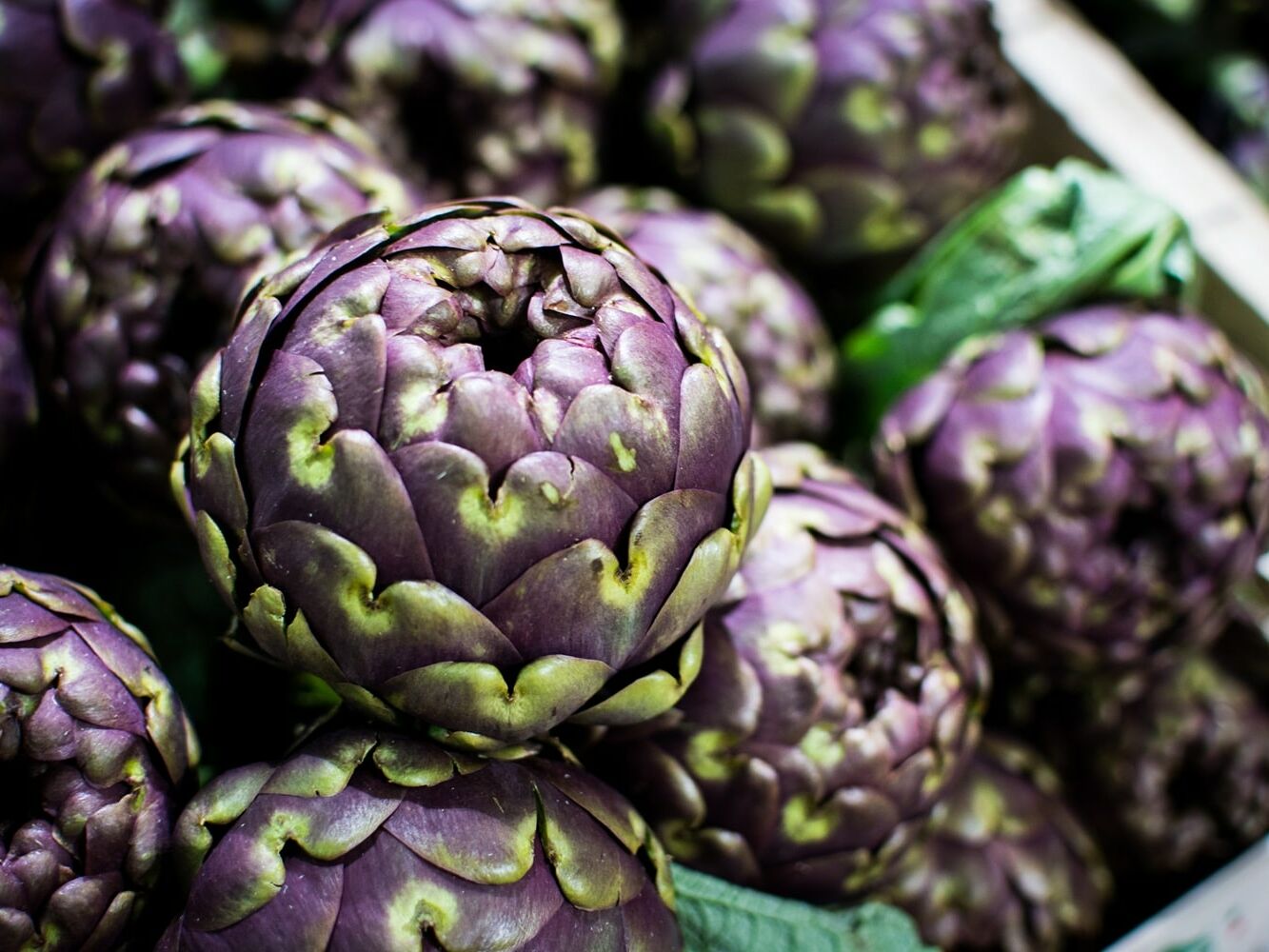
The ” mammola,” the common name for the Roman artichoke, is immediately recognizable by its distinctive shape.
The flower head is spherical or globular, thornless, with broad, fleshy, green leaves that have particularly intense purplish hues at the tips.
This distinctive color is one of the variety’s hallmarks and indicates the presence of valuable antioxidants.
Unlike other artichoke varieties, the Mammola has a very compact and tightly packed “head,” with leaves that close tightly around one another.
This structure protects the tender, fleshy heart, making it particularly suitable for eating raw.
The diameter can reach 12–15 centimeters in top-quality flower heads, called“cimaroli,” which develop first at the tip of the main stem.
It has a crisp texture when raw and a soft, buttery texture after cooking.
The flavor is delicate and sweet, with fresh vegetable notes and a very slight hint of bitterness that enhances the taste without being overpowering.
The complete absence of thorns makes the wild violet particularly versatile in the kitchen and easy to clean and prepare.
Another distinctive feature is the near-total absence of internal “hay”—the fine hairs that line the bottom of other artichokes.
In the Roman artichoke, especially in young flower heads harvested at the right time, the heart is completely edible, tender, and free of fibrous parts that need to be removed.
Seasonality
The Romanesco artichoke is in season mainly between October and May, with the peak harvest occurring between March and April.
Spring artichokes are generally more tender and sweeter.
Harvesting is done entirely by hand and requires a great deal of experience: the artichoke farmer must be able to recognize the exact moment of ripeness, when the flower head has reached its optimal size but the leaves are still closed and compact.
Each plant is tended to several times during the season; first, the central head is harvested, and then the side artichokes that develop on the suckers.
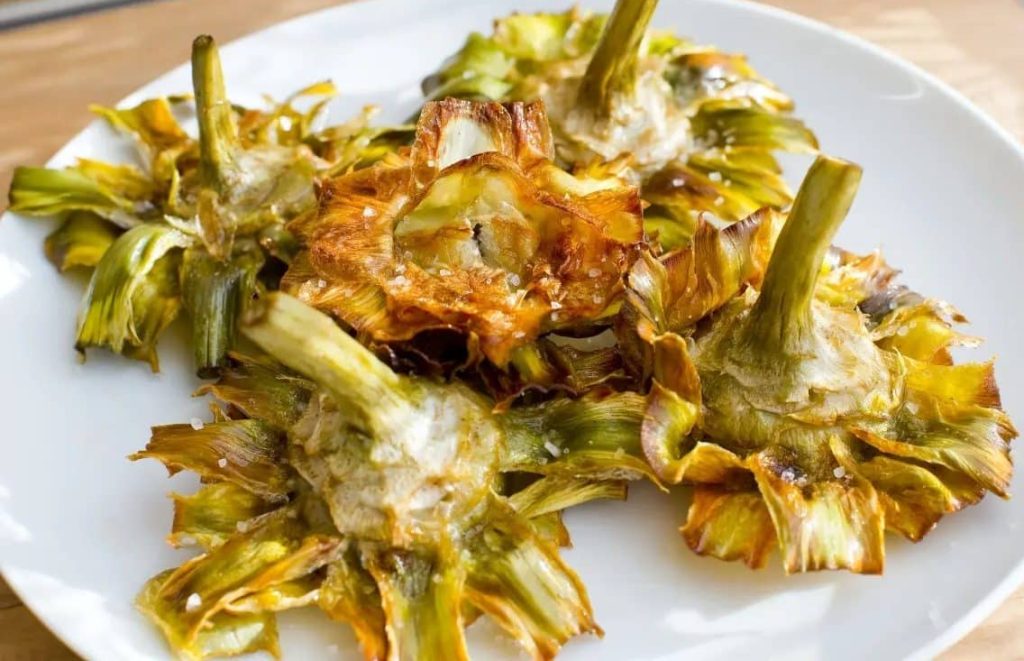
Healthy Recipe: Artichokes alla Giudia
Ingredients (serves 4):
– 8 Cimaroli Roman artichokes (the most tender ones)
– Juice of 2 lemons
– Extra virgin olive oil for frying (about 1 liter)
– Coarse salt
– Black pepper
– 1 bunch of fresh parsley
– 2 cloves of garlic
Preparation:
1. Clean the artichokes by removing the tough outer leaves, trimming the stem to about 4–5 cm, and cutting off the tip
2. Immediately soak them in water with lemon juice added to prevent oxidation
3. Dry them thoroughly by patting them with a dish towel
4. Gently spread the leaves outward by pressing the artichoke against a flat surface with the head facing down
5. Season the inside and outside generously with salt
6. In a deep skillet, heat the oil to 160°C
7. Place the artichokes in the pot with the stems facing up and cook them for about 10 minutes, gently pressing them down with a slotted spoon
8. Drain them and let them rest on paper towels for 5 minutes
9. Heat the oil back up to 180°C and fry the artichokes again for 2–3 minutes, until the leaves are crispy and golden brown
10. Drain, season lightly with salt, and serve immediately
Enjoying a Roman violet during these months means immersing yourself in the millennia-old history of the Lazio countryside, savoring the authenticity of a unique region, and celebrating an IGP agricultural heritage that makes Lazio the undisputed leader in Italian fruit and vegetable excellence.