

Arugula: the taste of spring that brightens up the Easter table
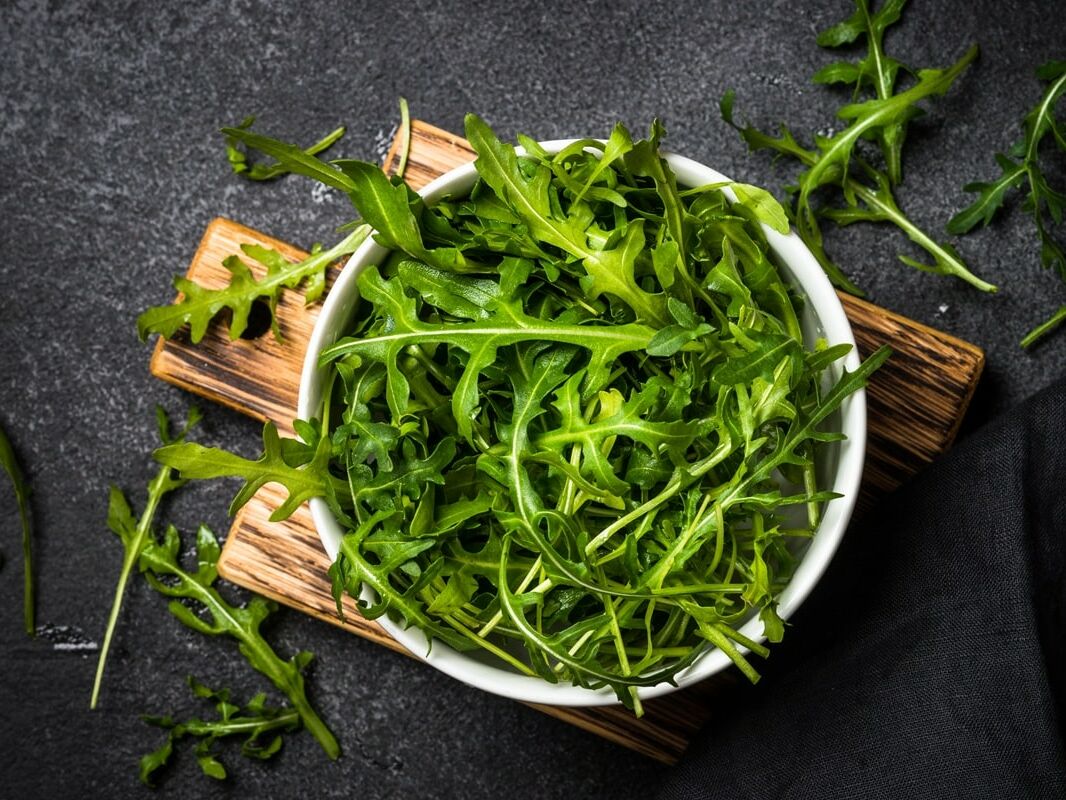
As Easter approaches, nature offers us one of its most precious gifts: fresh .
Italian arugula is one of the highlights of Italy’s spring vegetable harvest.
It is an aromatic herb that embodies centuries of culinary traditions and boasts extraordinary nutritional properties.
This plant is the perfect blend of intense flavor, culinary versatility, and health benefits.
At this time of year, arugula is at its best, and what better occasion than the Easter holidays to serve it?
Later on, you’ll discover a traditional recipe that’s perfect for Easter lunch, where wild arugula takes center stage in a classic Italian dish.
Two souls, one character
Italy boasts a unique variety of arugula, clearly distinguishing between two botanically different but equally valuable types.
This diversity represents a heritage rooted in millennia of cultivation and wild harvesting throughout the peninsula.
Cultivated arugula and wild arugula grow side by side in our gardens and meadows, offering complementary taste experiences.
From the cultivated varieties with broad, tender leaves found in the Po Valley plains to the wild ecotypes that grow spontaneously on Apulian dry stone walls, and including modern commercial varieties optimized for mechanized harvesting, Italy boasts an unparalleled heritage of biodiversity linked to arugula.
Varieties of Italian Arugula
Italy boasts a rich and diverse range of arugula varieties that spans the entire country.
Cultivated arugula is characterized by broad, lobed leaves that are bright green and tender in texture.
Its flavor is delicately spicy, with moderate peppery notes that do not overpower the other ingredients.
It grows quickly, reaching maturity 30–40 days after sowing.
It is the preferred variety for mixed salads and for topping freshly baked pizzas and focaccia.
Wild arugula, also known as “rughetta” or “rugola” in various regions, has narrow, serrated leaves that are a deep, intense green and have a more leathery texture.
It has a strong, intensely spicy, and aromatic flavor, with bitter notes that become more pronounced as the plant matures.
It grows more slowly but is extremely hardy and regrows after each harvest, allowing for staggered harvests over several months.
Spring weather conditions—with mild temperatures and good humidity—give arugula its optimal organoleptic characteristics, making each leaf a true reflection of the season and the region where it is grown.
A Concentrated Dose of Well-Being
Arugula is much more than just a salad: it’s a true ally for your health.
Rich in vitamin K, which is essential for blood clotting and bone health, it also provides abundant amounts of vitamin C, vitamin A, and folic acid.
With just 25 kcal per 100g, arugula is very rich in fiber, which promotes a feeling of fullness and supports regular bowel movements.
The minerals it contains—particularly calcium, magnesium, and potassium—support the body’s overall well-being.
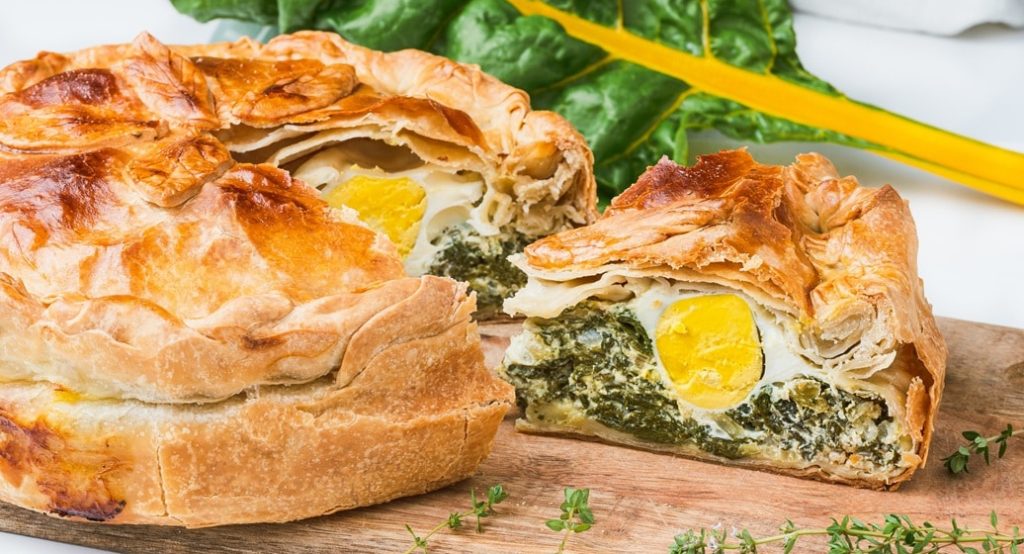
Healthy Recipe: Torta Pasqualina with Arugula
Ingredients (serves 6–8):
For the pasta:
- 500 g of 00 flour
- 250 ml of lukewarm water
- 4 tablespoons of extra virgin olive oil
- 1 teaspoon of salt
For the filling:
- 400g of fresh arugula
- 250g of fresh ricotta
- 100 g of grated Parmigiano-Reggiano
- 6 eggs
- 200 g of Swiss chard or spinach
- 1 small onion
- 3 tablespoons of extra virgin olive oil
- Salt and pepper to taste
- Nutmeg
Preparation:
- Prepare the dough by mixing flour, water, oil, and salt. Knead it until the dough is smooth and elastic. Divide it into 6 portions, brush them with oil, and let them rest, covered, for 1 hour
- Wash the arugula and Swiss chard. Blanch the Swiss chard for 5 minutes, squeeze out the excess water, and chop it.
- Sauté the arugula in a pan with a little oil, chopped onion, and a pinch of salt for 3–4 minutes
- In a bowl, mix together the ricotta, Parmesan, arugula, and cooled Swiss chard. Season with salt, pepper, and nutmeg.
- Roll out the dough balls very thinly (until they’re almost transparent) with a rolling pin
- Grease a 26-28 cm round baking pan and line the bottom and sides by overlapping 3 sheets of pastry, brushing each layer with oil
- Pour in half of the filling, use a spoon to make 3–4 indentations, and crack the whole eggs into them, trying to keep the yolks intact
- Cover with the remaining filling and seal with the other 3 sheets of dough, brushing each layer with oil as you go
- Fold the edges inward to create a decorative border
- Brush the surface with oil and prick it with a fork
- Bake in a preheated oven at 180°C for about 50–60 minutes, until golden brown
Bringing spring arugula to the table means celebrating nature’s reawakening, savoring the intense and authentic flavors of Italian tradition, and enjoying a burst of well-being that makes our land unique.